
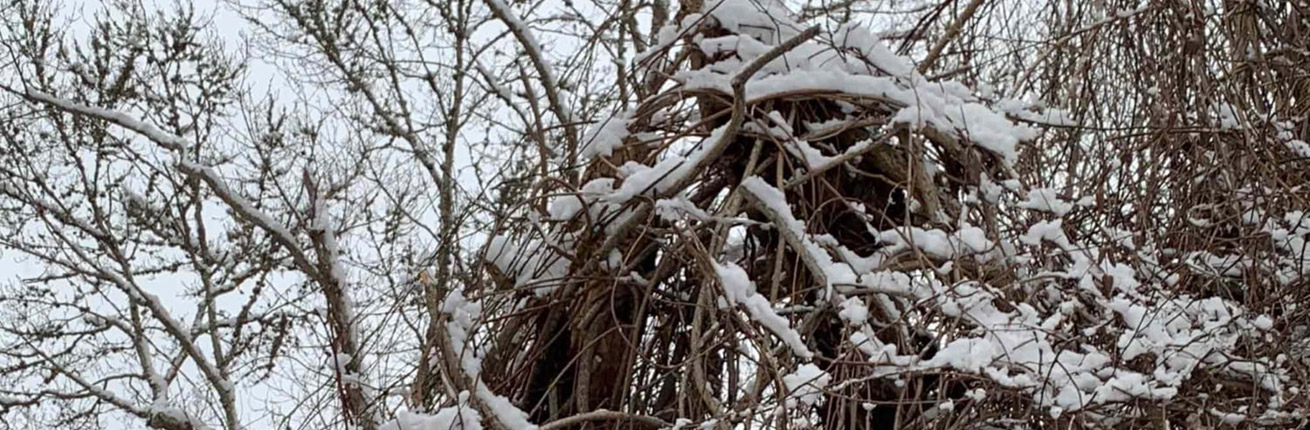
Invasive plants are a huge threat to biodiversity and sustainable ecosystems.
What can you do?
1. Learn to Recognize Invasives
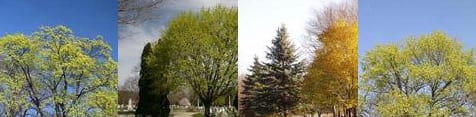
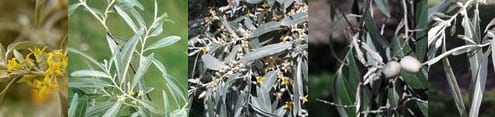
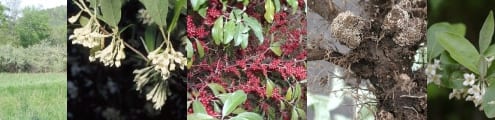
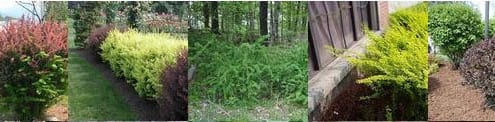
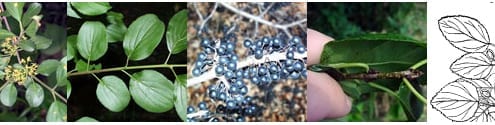
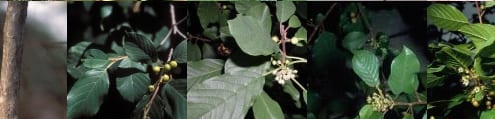
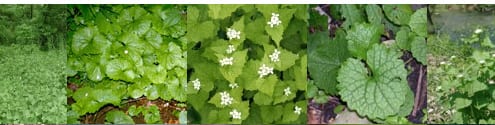
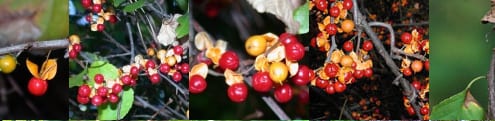
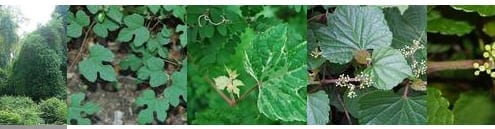
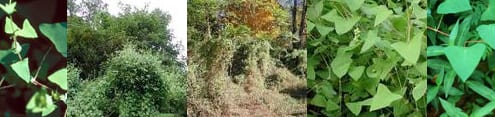
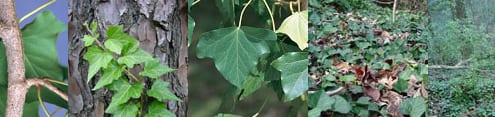
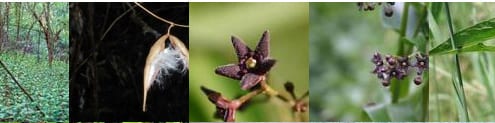
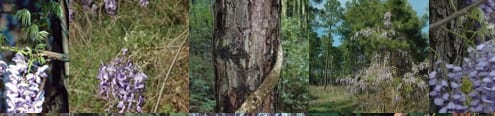
Although only a relatively small number of species cause the most serious damage, they can spread quickly and disrupt native ecosystems. Below find some of the most egregious thugs along with images.
• The Rhode Island Invasive Species Council lead by the Rhode Island Natural History Survey has compiled Rhode Island’s official (full list 2020)
• The Center for Invasive Species and Ecosystem Health. includes most of the plants on Rhode Island’s official list of invasives, with links to detailed profiles, large images and management guidance. It’s also an excellent resource on thousands of invasive plants, invasive insects, pathogens, and other threats.
• iNaturalist, a citizen science project, is another helpful tool for identifying unfamiliar plants.
• Note: Some native plants can be aggressive spreaders, but they are not classified as invasive since they don’t displace other native species’ ecological functions.
Additional resources
◊ Invasive Species Management Long Island.Well-designed species index and practical information; much of it applies to Rhode Island species
◊ badplantsri on Instagram Ongoing updates on local invasive plants
◊ Invasive Plants in Rhode Island: What They Are & How to Find them. A virtual class by Kate Venturini Hardesty (URI Cooperative Extension) covering a number of the most common invasive species on the Rhode Island Invasive Species List. Many details with photos.
◊Pamphlet . Invasive Plants: The Threat They Pose by Friends of Canonchet Farm. Excellent downloadable concise reference.
Trees/ Shrubs
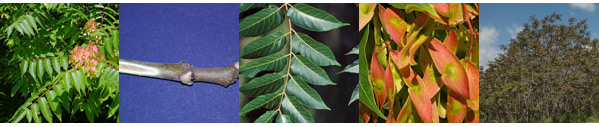
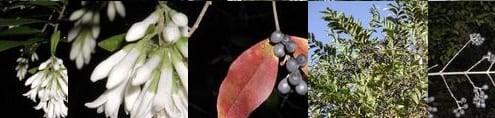

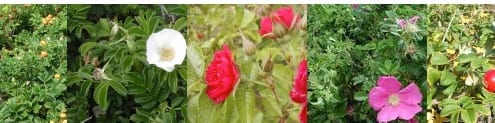
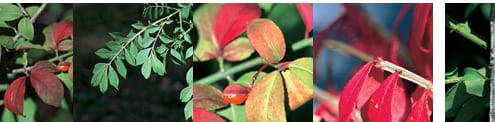
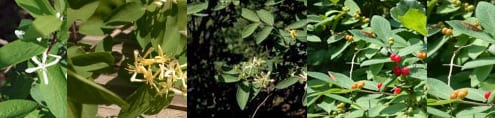
Herbaceous Plants
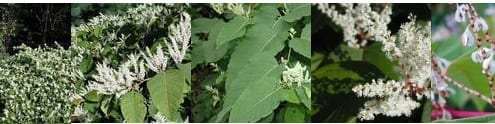

Vines
2. Don’t Grow Invasives
You may already have invasive plants in your yard—many were once popular because they were hardy and fast-growing. Unfortunately, these same traits make them aggressive spreaders that crowd out native species. Rhode Island is one of the few states that does not restrict the sale of invasive plants, so some are still marketed and promoted in garden centers.
-
Avoid planting them. Don’t buy, divide, or share them with others.
3. Control Invasives
The key is early action. Invasives are far easier to manage before they become established.
-
Act quickly. If you recognize an invasive plant on your property, remove it right away.
-
Use ecological methods first:
-
Pull or cut back growth repeatedly. By removing all above-ground parts, photosynthesis cannot occur and the roots starve and die.
-
Block sunlight by covering patches of invasive with tarps, layers of cardboard or mulch.
-
Solarize soil by using clear plastic to trap heat from the sun which kill roots and dormant seeds in the ground.
-
-
Limit herbicides. Chemicals should be a last resort since they can harm the environment.
-
Dispose responsibly. Never dump invasives where they might spread. Ideally, burn them or compost them at high heat to destroy all plant material.
Resource: The Native Plant Trust has recommendations for how to remove common invasives.
4. Replace Invasives with Natives
Disturbed and empty patches of soil is vulnerable—if left bare, invasives often return. Replanting with native species helps prevent reinfestation while restoring habitat.
-
The University of Delaware offers list of native plants that are good alternatives for some of the more common invasives. Many of these are common to New England.