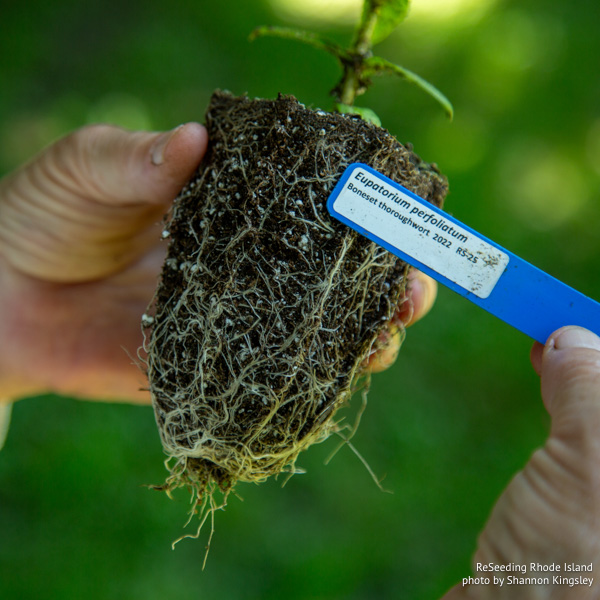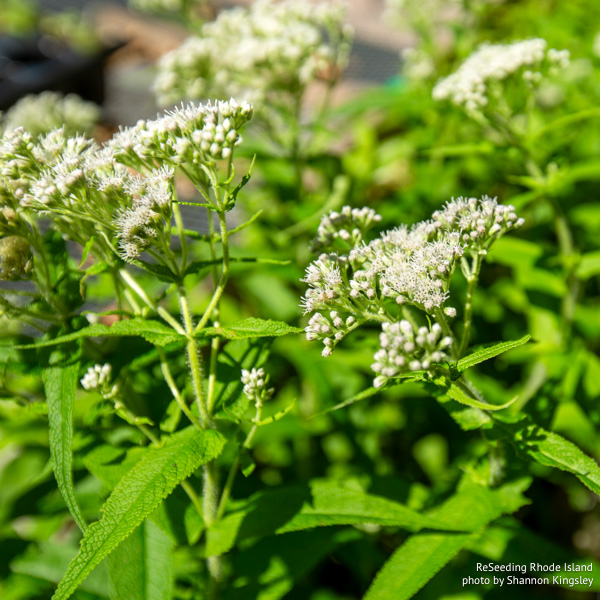
Growing Conditions: Full sun to part shade in medium to wet soil, tolerates drier conditions
Size: Height 4-6 ft, Spread 3-4 ft
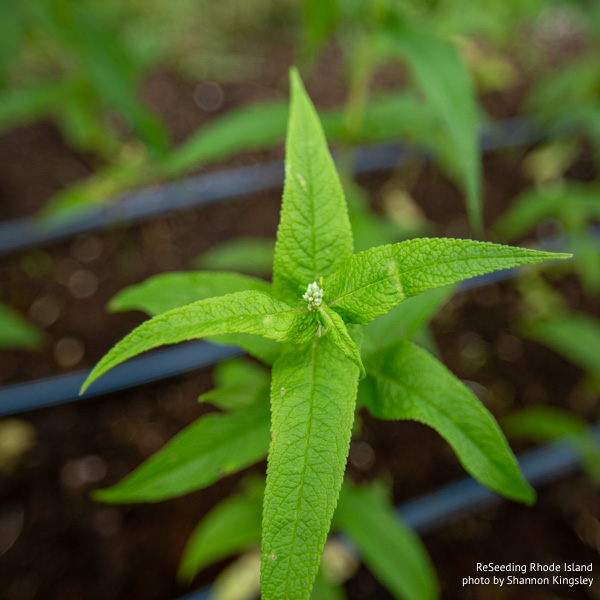
Blooms: July to September
Landscape Use: Pond edge, meadow, naturalized area. Tip – Prune back by ½ to ⅓ in mid-spring to reduce height and increase bloom.
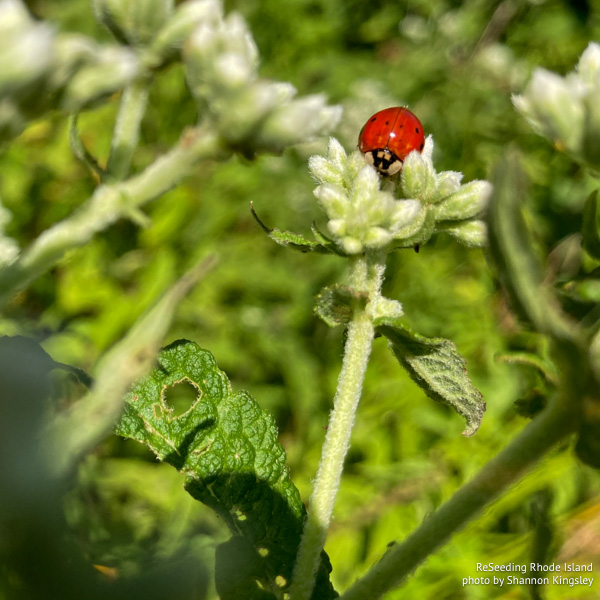
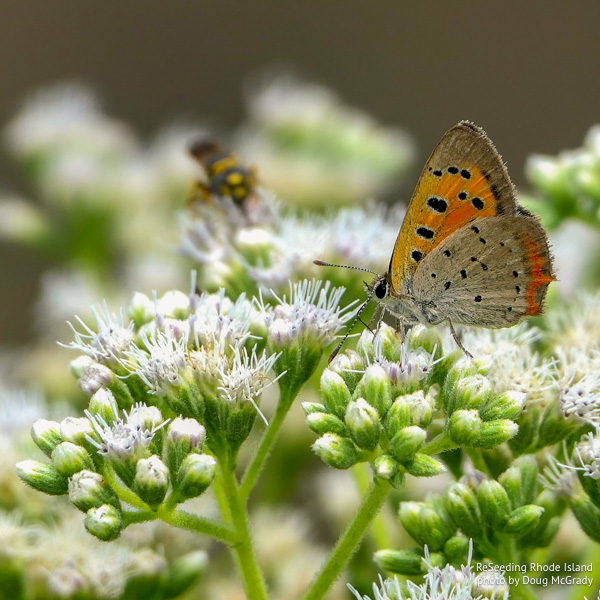
Habitat Value: Attracts an array of pollinating and host insects, including the clymene moth (host), three-lined flower moth (host), boneset borer moth (host), yellow-faced bees, mining bees, sweat bees, bumble bees, green sweat bees, ambush bugs (Reduviidae), and monarch butterflies.
Pests & Diseases: Minor issues include lygus bugs, weevils, thrips, leafhoppers, aphids, grasshoppers, flea beetles and sawflies.
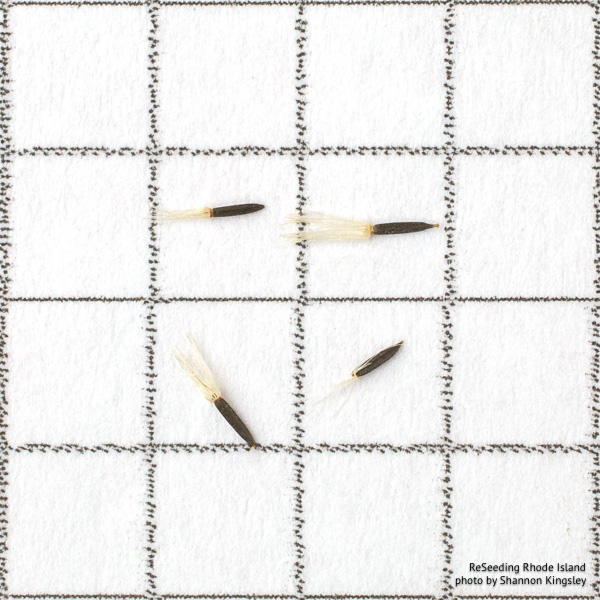
Mature Seed Color: Brown/gray
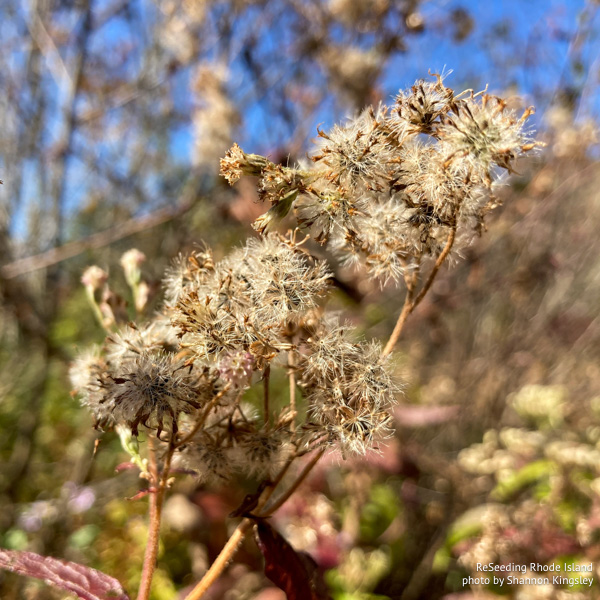
Use a brown paper bag to collect seeds from September to October when the seed heads have turned brown and the pappus (tiny hairs in shape of a parachute that aid in wind dispersal) is fluffy. Clip seed heads and place upside down in the bag.
Collection & Cleaning Tips: Shake out heads and rub them on a screen. Dispose of heads and use cleaning screens to separate seed from seed head material.
Store clean, dry seeds in a refrigerator (40°F) in a sealed glassine envelope.
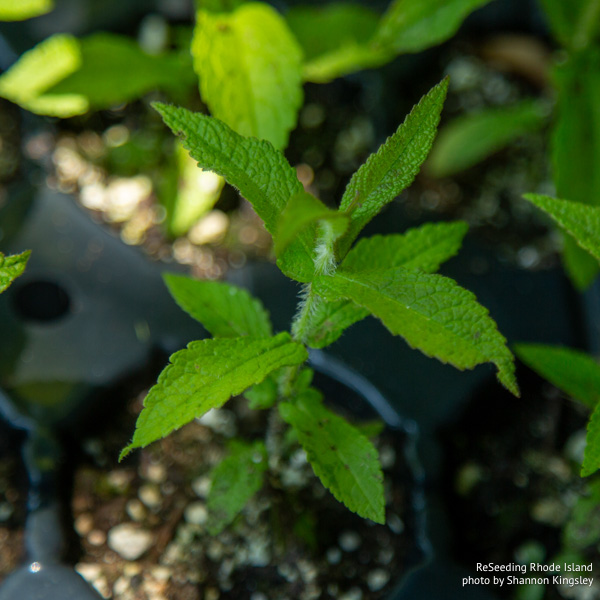
Germination Requirements: These seeds need a winter or cold period to germinate — a minimum of 30 days exposed to temperatures in the range of 40°F and below. Plant in moist soil. Sow outdoors in pots November through February.