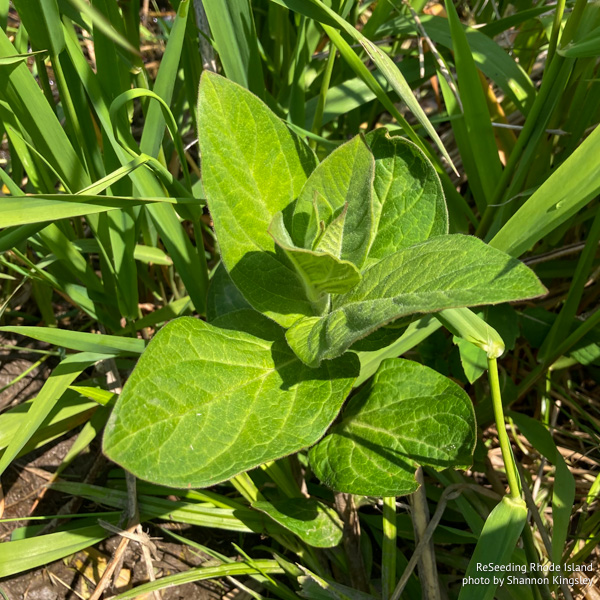
Growing Conditions: Sun to part shade in medium to wet soil, although adaptable to drier soils
Size: Height 2-5 ft, Spread 2-3 ft
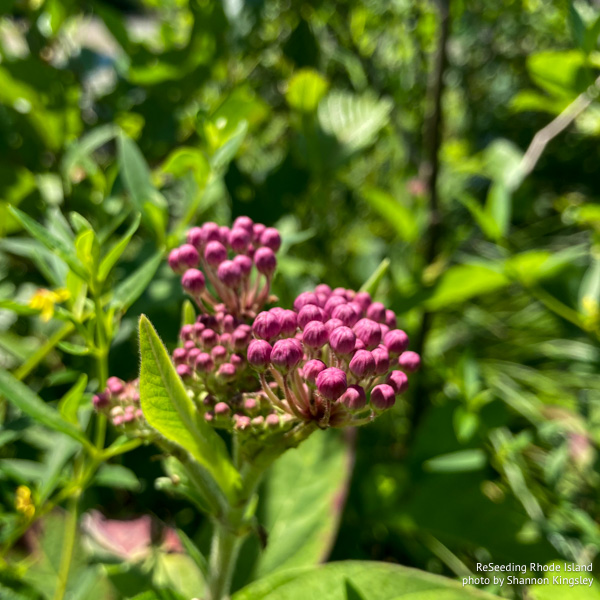
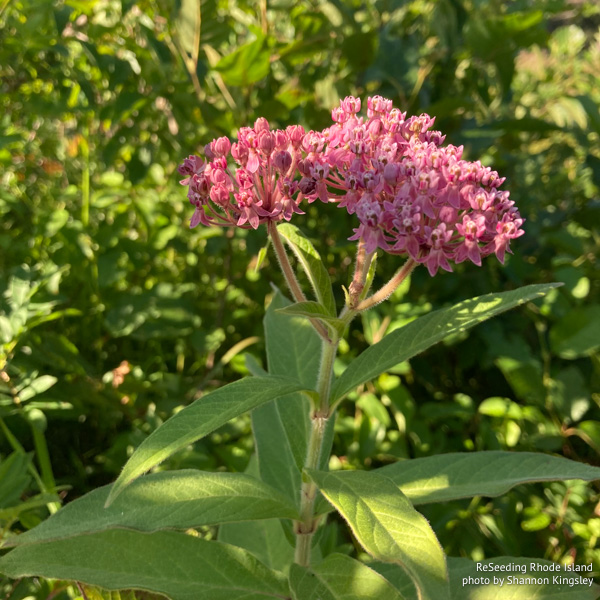
Blooms: July to August
Landscape Use: Pond edge/ditch, naturalized area, pollinator garden. Tip – Cluster in middle of garden for big effect.
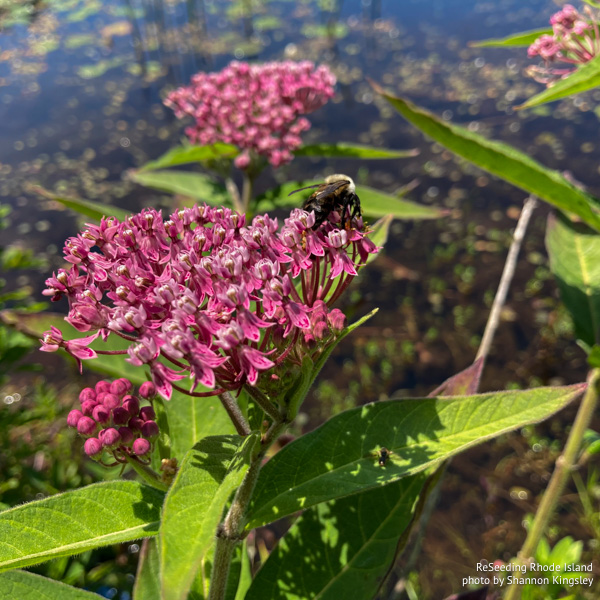
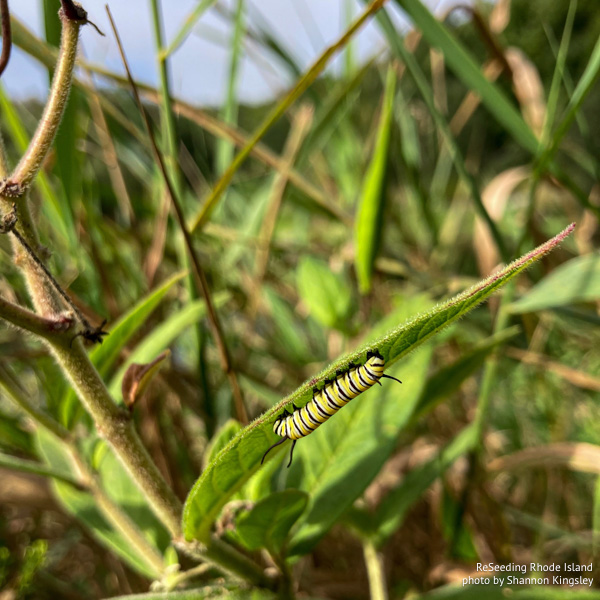
Habitat Value: Milkweed (Asclepias sp.) serves as the only host plant and food source for the monarch caterpillar (Danaus plexippus). It also attracts many other insects and pollinators including the great-spangled fritillary butterfly, red admiral butterfly, hummingbird clearwing moth, skippers, bumble bees, flower flies (Syrphidae), wasps, soldier beetles, long-horned beetles, and yellow-faced bees.
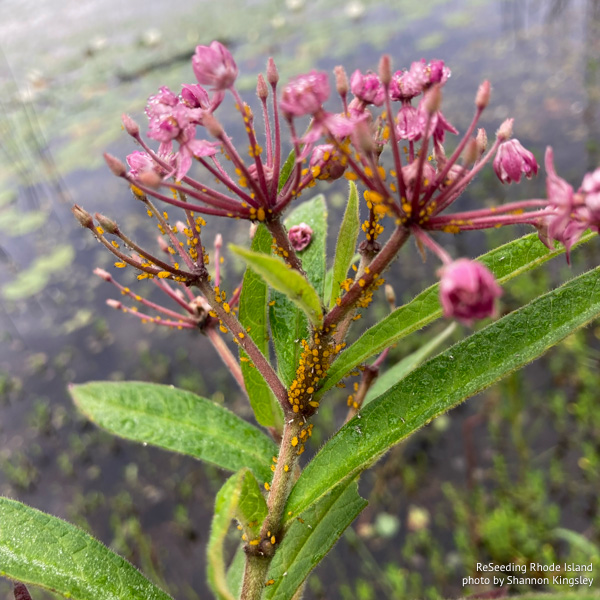
Pests & Diseases: The milkweed aphid (Aphis nerii) is a common pest which could cause minor damage to stems. In significant numbers, the milkweed weevil (Rhyssomatus annectens) and the milkweed bug (Oncopeltus fasciatus) could significantly damage developing seeds.
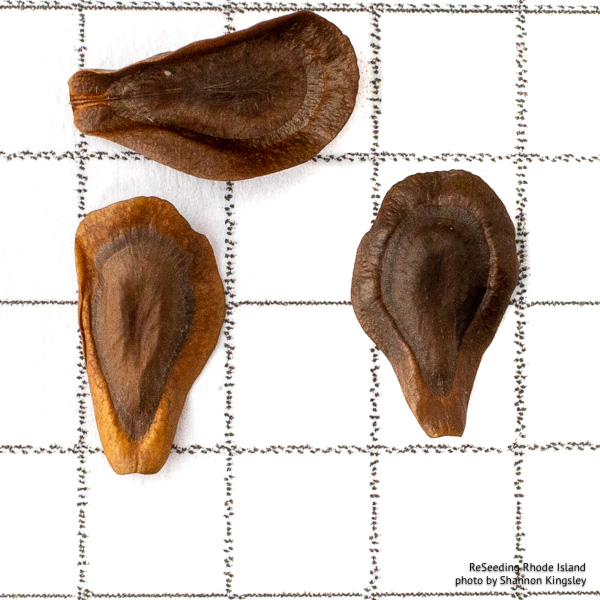
Mature Seed Color: Brown/light brown
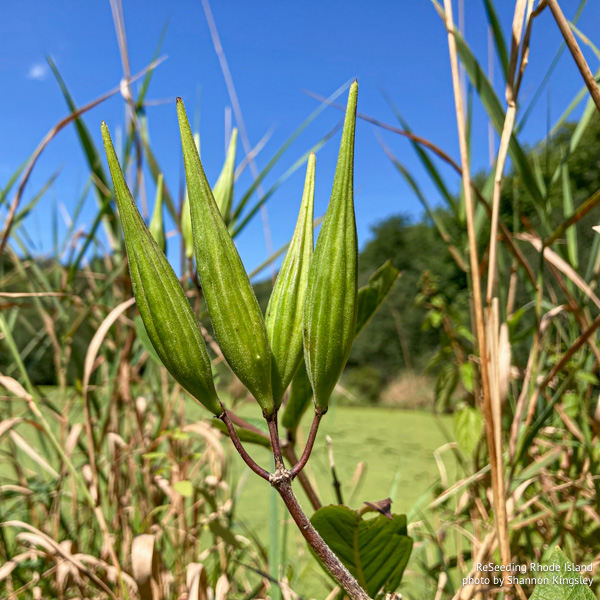
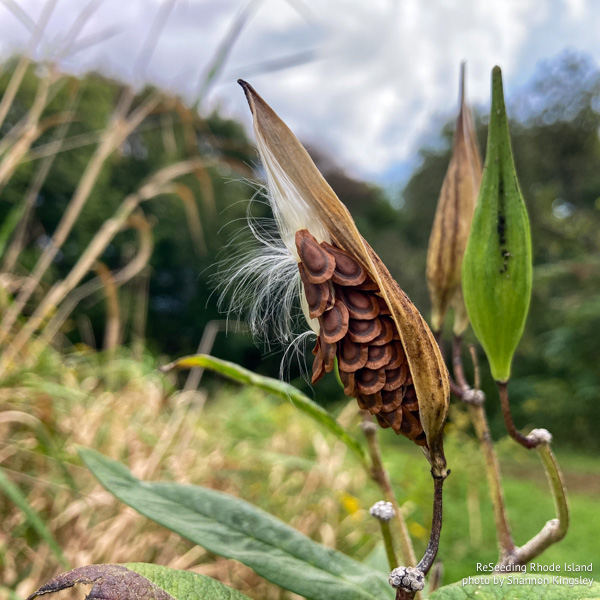
Use a brown bag to collect seeds in September and October when the pod (follicle) begins to split open, revealing white silky string like floss. Do not open immature pods, this will render seeds inviable. Mature seeds are brown not green. To test whether a pod is ready, press gently on the seam; if it does not split, let it be and wait for it to open naturally.
Collection & Cleaning Tips: If collection occurs before the follicle completely opens and the white string (floss) expands, open the follicle carefully and remove the seeds from the main floss. Deposit seeds into a brown paper bag. (Helpful video from Save Our Monarchs Foundation.) If the floss has expanded to become “fluffy,” collect the entire follicle into a brown paper bag. The seeds will need to be manually separated from the fluff before storing or planting seeds.
Store clean, dry seeds in a refrigerator (40°F) in a sealed glassine envelope.
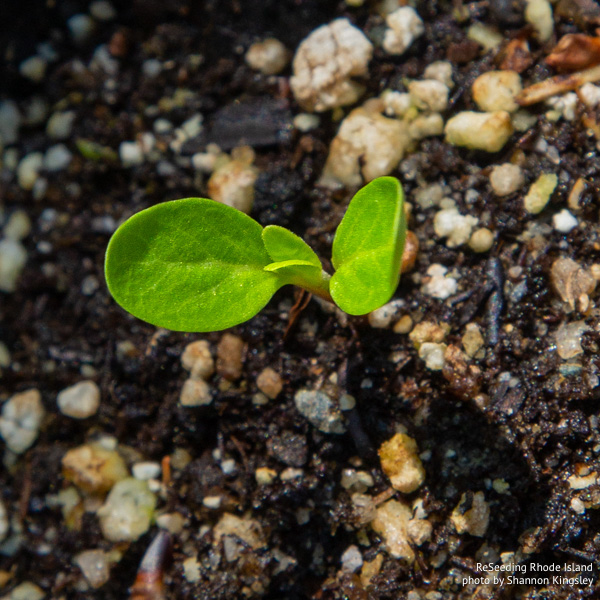
Germination Requirements: These seeds need a winter or cold period to germinate — a minimum of 30-60 days exposed to temperatures in the range of 40°F and below. Plant on the surface of moist soil as they need light to germinate. Sow outdoors in pots November through February.